On this page
Named skills to learn first · Taiwan reference
Use these named Ranger skills to turn practice into a concrete plan. The names and functions come from NC’s Taiwan guide, updated 2026-09-17. English function labels are explanatory translations, not verified Global English skill names.
The order below is a learning priority, not a skill-point allocation or a tested damage rotation. Global players should match the icon and current tooltip before applying a regional interaction, and use their own available Stigma slots.
| Practice priority | Publisher name · function | What to practice |
|---|---|---|
| 1 · Apply a slowing attack | 套索箭 · Area slow | Learn the area around the selected target so you do not unintentionally involve another pack. |
| 2 · Recognize the controlled-target follow-up | 破裂箭 · Slowed-target follow-up | The Taiwan guide requires slow or root for this follow-up. Watch the actual condition indicator. |
| Solo option · nearby stun trap | 爆炸圈套 · Nearby stun trap | Place it where approaching enemies will reach it; do not assume every boss accepts its control. |
| Movement option · reposition and knockback | 突襲踢 · Reposition and knockback | Practice the destination and retreat before using it near an edge. |
| Recovery option · resistance with conditional healing | 大自然吐息 · Damage resistance, recovery | The healing is chance-based in the Taiwan text, not guaranteed recovery after every hit. |
- Area slow · 套索箭
- Slowed-target follow-up · 破裂箭
- Nearby stun trap · 爆炸圈套
- Reposition and knockback · 突襲踢
- Damage resistance, recovery · 大自然吐息
Sources for this section (1)
- Taiwan Guidebook: Ranger named skillsNC Corporation · Taiwan · Updated 17 September 2026 · Reviewed 4 November 2026
Evidence and scope
The skill reference compares the rows in this Taiwan guide with the published names and icons. The English descriptions and practice order are editorial. Check the Global client for its skill names, coefficients and available specializations.
Choose a solo or group practice setup
Solo: Practice slow into the available follow-up and use a trap when an ordinary enemy closes the distance. Keep enough open terrain for your movement option.
Group: Maintain a clear line to the target while staying in support range. Coordinate knockback and trap use so your control does not disrupt the planned positioning.
Sources for this section (1)
- Taiwan Guidebook: Ranger named skillsNC Corporation · Taiwan · Updated 17 September 2026 · Reviewed 4 November 2026
Evidence and scope
The skill reference compares the rows in this Taiwan guide with the published names and icons. The English descriptions and practice order are editorial. Check the Global client for its skill names, coefficients and available specializations.
Is Ranger a good fit?
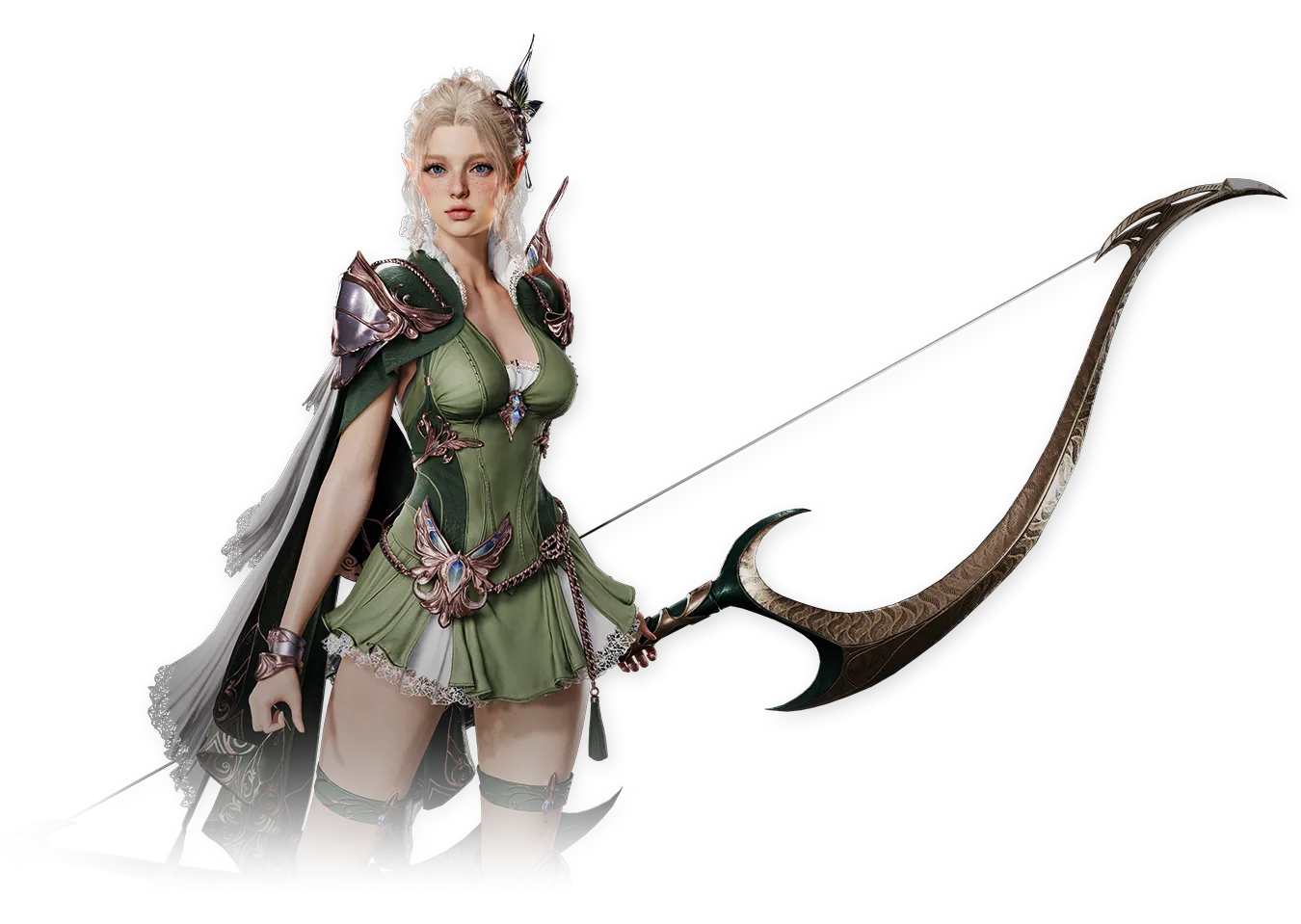
Ranger is the physical ranged starting point. Consider it if you enjoy an archer identity and want to watch the fight from outside immediate melee range.
The following advice is editorial. Ranged combat still requires movement and encounter awareness; standing as far away as possible is not automatically the safest or most useful position. Older English reveal material calls this class Marksman.
Solo: manage the space behind you
Before attacking, check what is behind your character. Moving away from one enemy can bring you into another pack or toward an edge. Prefer a small, known fighting area over retreating into unexplored space.
Read the ranges and movement restrictions on your current skills. Practice recovering a useful distance after an enemy approaches, then stop moving when you have a safe opportunity to attack.
Group: keep a useful ranged position
Choose a position with a clear view of the target, nearby hazards and the party. Stay within the reach of the support tools your team is using. If a mechanic requires grouping, move with the party instead of treating maximum distance as your default.
Avoid moving an enemy aimlessly around the arena when it targets you. Use a controlled path, communicate when needed and follow the group strategy so melee teammates can still participate.
First practice session
Learn where each action works and how to keep that space available.
- Identify the actual range of your main attacks from current tooltips and safe practice.
- Practice moving the camera to inspect the route behind you before repositioning.
- Attack, respond to an enemy approach and settle at a useful distance again.
- In a group, check that your position allows you to see both the fight and the party.
Build around the encounter
When attacks fail or you spend too long moving, investigate distance, target selection and terrain first. Changing equipment will not fix an obstructed view or a late movement decision.
Compare skill choices against what the encounter actually demands. Read any targeting, area or control conditions instead of copying a setup from a different mode.
Compare nearby playstyles
Compare Sorcerer for direct ranged magic, or Spiritmaster if the spirit-commanding identity is more appealing than the bow. Compare Assassin if you like precision but want to fight up close.
Continue learning
Sources for this class
- AION2's Core Content Unveiled: The Complete Evolution of AIONNC · Pre-release reveal · Published 4 June 2025 · Reviewed 2 October 2026
Evidence and scope
Historical primary source; its four/eight-player dungeon sizes are superseded by current global five/ten-player material.
- Official global AION 2 class showcaseNC · Global · Reviewed 2 October 2026
- Taiwan Guidebook: Ranger named skillsNC Corporation · Taiwan · Updated 17 September 2026 · Reviewed 4 November 2026
Evidence and scope
The skill reference compares the rows in this Taiwan guide with the published names and icons. The English descriptions and practice order are editorial. Check the Global client for its skill names, coefficients and available specializations.